
Country hub
Car rental in Italy
If you want to enjoy Italy properly and still keep the freedom to reach Rome to Florence via Tuscany, Naples and the Amalfi Coast, Milan to the Lakes and Dolomites, having a car usually makes the whole trip easier.
Italy is one of those places where the car matters not just for the airport, but for the rhythm of the whole trip. It keeps routes like Rome to Florence via Tuscany and Naples and the Amalfi Coast flexible and saves you from building the day around transfers.
Search and compare
Build your trip.
Pick your station, select dates, and compare suppliers instantly.
Compare now
Instant supplier comparison
Why a car makes sense here
Why a car makes sense here
In Italy, the car is what turns nearby places like Rome to Florence via Tuscany, Naples and the Amalfi Coast, Milan to the Lakes and Dolomites from complicated add-ons into simple parts of the trip. That is why the rental matters even if the city itself is walkable.
ZTL zones everywhere
Rome, Florence, Bologna, Milan, and dozens of smaller towns enforce ZTL zones by camera. Park outside the walls or in marked garages and walk in — fines arrive by mail months later.
Who this destination suits
Italy fits travelers combining a city break with a regional road trip — Tuscany, the Amalfi Coast, Puglia, the Lakes, or Sicily all reward driving.
Rome Fiumicino (FCO)
Road-trip friendly
Clear pricing
Works beyond the airport
Flexible itinerary
Where to pick up
Where to pick up
Rome Fiumicino (FCO) is better when you want to land and leave immediately. Milan and the north is better when the first days are urban and the car only becomes useful once the wider route starts.
Rome Fiumicino (FCO)
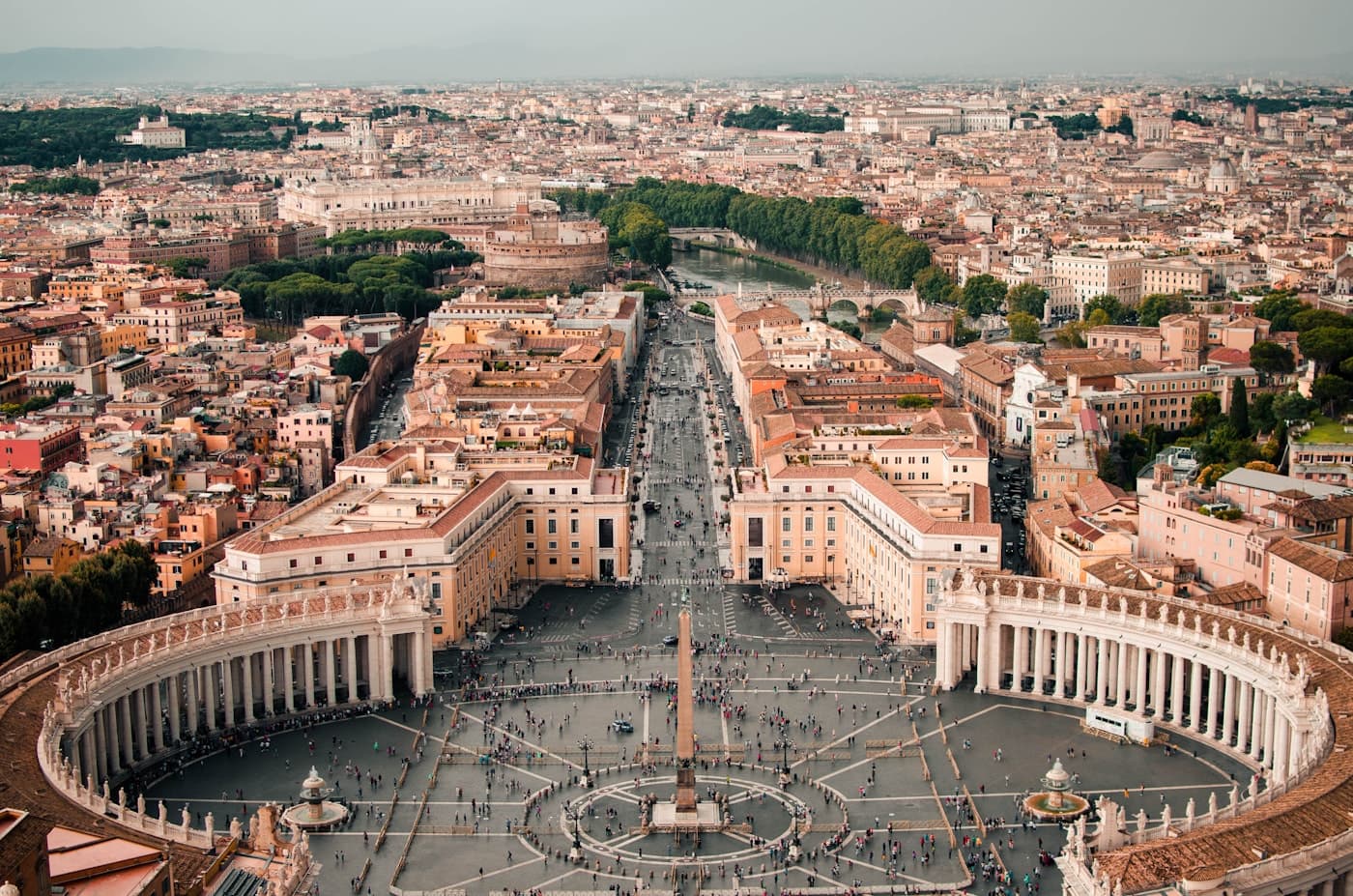
The busiest international gateway and the natural start for central Italy, Tuscany, and southbound Amalfi routes.
Milan and the north
Malpensa, Linate, and Bergamo open the Lakes, Piedmont, and the Dolomites with fast autostrada access.

Routes worth doing by car
Routes worth doing by car
Italy rewards a car once you leave the big-city centers. Rome, Florence, Venice, and Milan are best explored on foot and by train, but Tuscany's hills, the Amalfi Coast, the Dolomites, Puglia, and Sicily all open up properly with your own vehicle. The main constraint everywhere is the ZTL — camera-enforced limited-traffic zones inside historic centers — so most travelers pick up at an airport and park outside old-town walls.
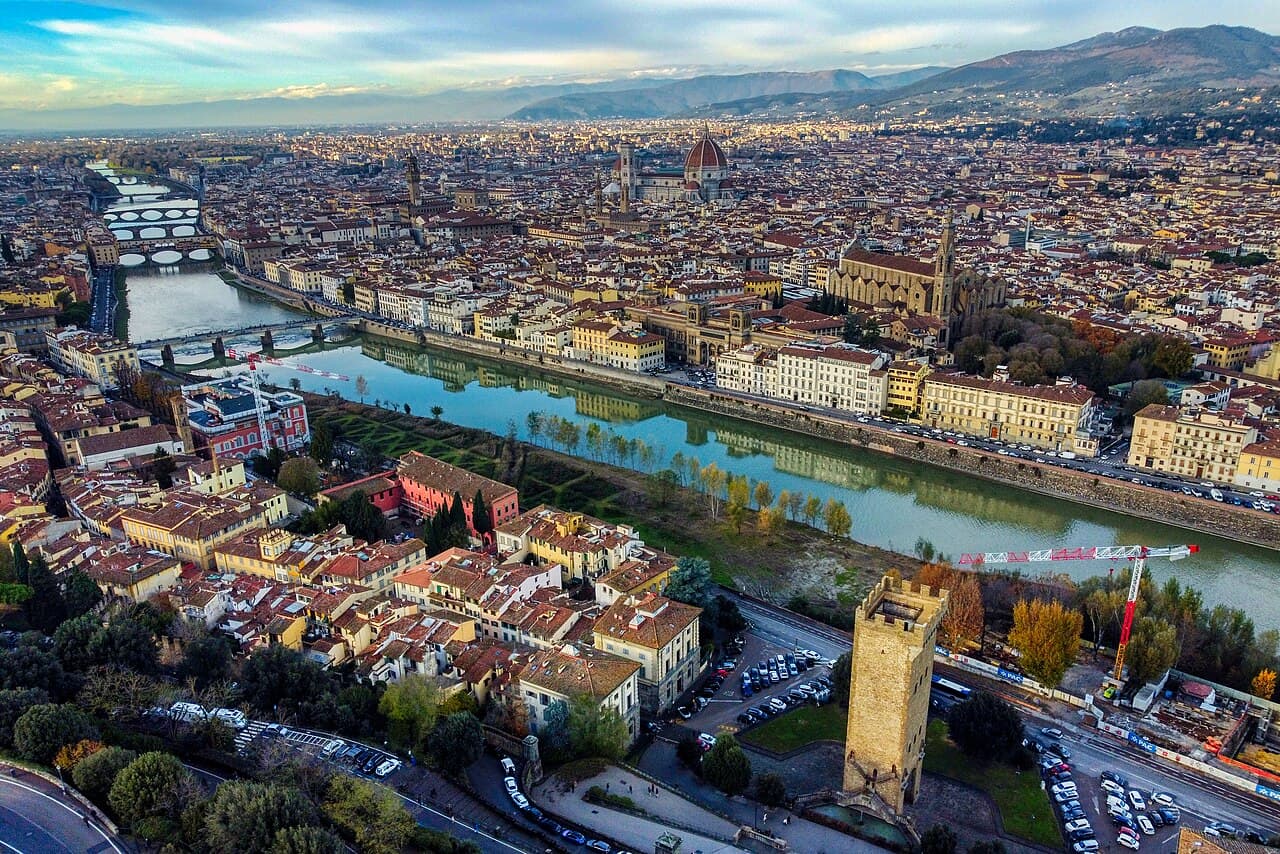
Rome to Florence via Tuscany
Orvieto, the Val d'Orcia, and Siena make a classic northbound wine-and-hill-town route.
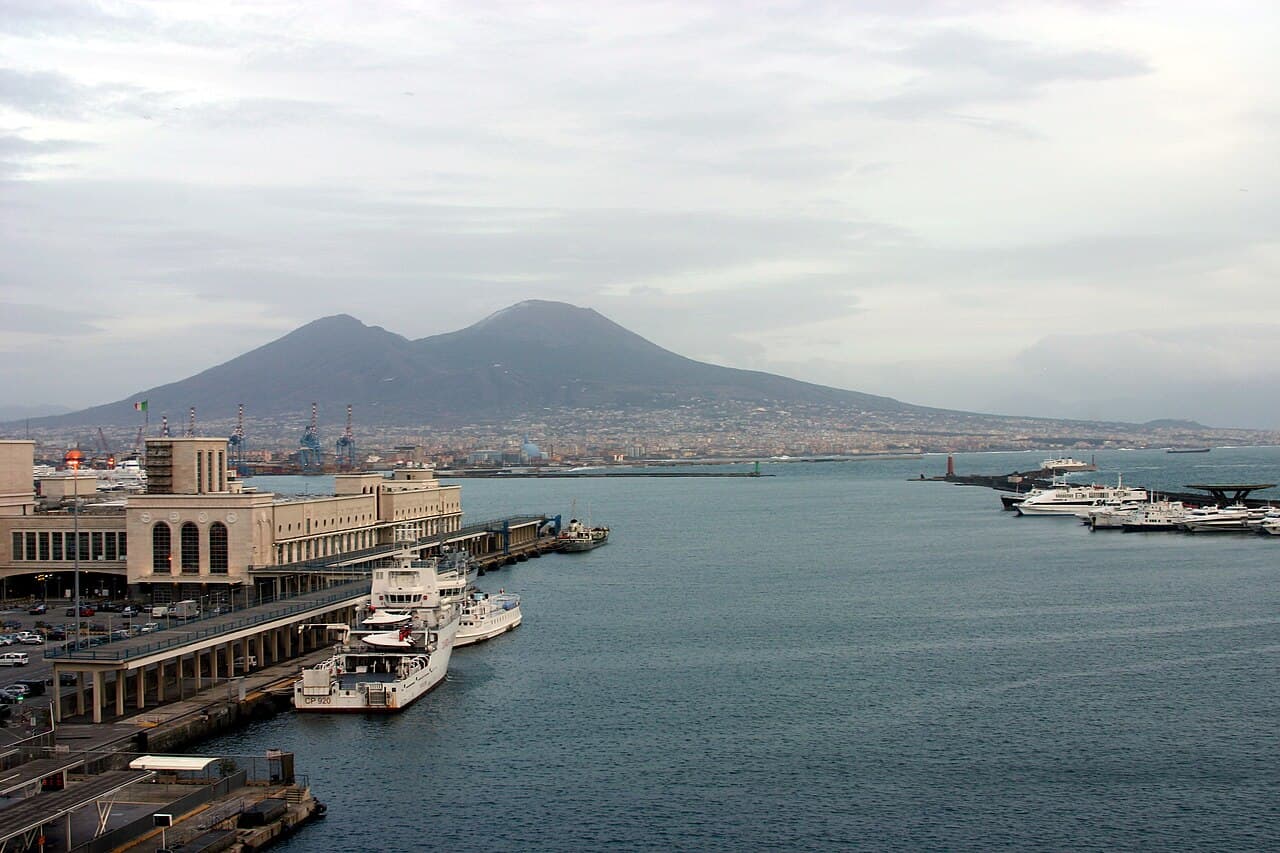
Naples and the Amalfi Coast
The SS163 coastal drive plus Pompeii and Sorrento — slow, narrow, and spectacular.
Milan to the Lakes and Dolomites
Lake Como, Lake Garda, and the mountain passes north — Italy's best summer driving country.
Booking and driving tips
Booking and driving tips
- Compact and intermediate cars usually give the best balance if your trip mixes city streets and longer regional drives from Italy.
- Electronic toll coverage is worth keeping active if the itinerary is likely to use fast roads or motorways.
- If this trip depends on weather, beaches, viewpoints, or scattered stops, the car gives you the freedom to adapt the day without losing the plan.
- Avoid ZTL zones unless your hotel issues a permit — cameras enforce them automatically.
- Keep Telepass or a toll card handy for the autostrada network on longer routes.
- Choose compact cars for Amalfi, Chianti, and Sicilian hill towns — width is the constraint.
- Winter tyres or chains are legally required on many northern mountain routes November to April.
Questions travelers usually ask
Questions travelers usually ask
The useful questions here are usually about timing, station choice, and what kind of car keeps the trip easy.
Do I really need a car in Italy?
Usually yes if your trip includes places like Rome to Florence via Tuscany, Naples and the Amalfi Coast, Milan to the Lakes and Dolomites. That is where the rental stops being optional and starts becoming the easiest way to move well.
Should I pick up at Rome Fiumicino (FCO) or in Italy?
Rome Fiumicino (FCO) is the best low-friction option for immediate departures. Milan and the north is better if you want to keep the city stay lighter before the road-trip part begins.
What kind of car works best here?
For most routes from Italy, a compact or intermediate automatic is the safest balance between comfort, parking, and simple regional driving.